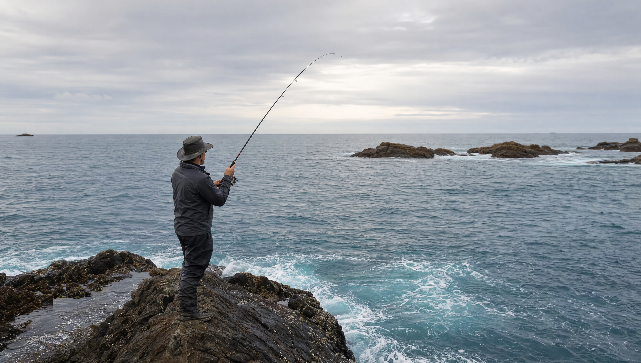
What to look for
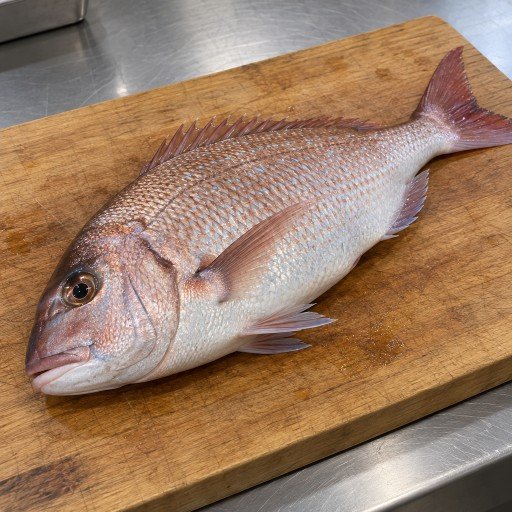
Good Northland snapper country usually has a few things in common: broken reef, kelp, current, some depth and a bit of water movement. Look for rocky points where deeper water pushes close to shore, guts running between reefs, kelp edges and areas where white water is stirring food out of the rocks. Snapper regularly move into surprisingly shallow water to feed, particularly around low light or when there is enough wash to make them feel comfortable. Instead of hunting for a single famous mark, look for those features wherever you find them.
Areas worth exploring
Karikari Peninsula, including Matai Bay, Puheke, Whatuwhiwhi and Rangiputa.
Further north: Henderson Bay, Rarawa, Spirits Bay and Tapotupotu.
Tapeka Point near Russell in the Bay of Islands, especially as the tide begins to push.
The common theme matters more than the exact location. Find reef next to deeper water and fish the edges.
What bait to use
Pilchards are a very good starting point. They are oily, snapper love them and they work well as both bait and berley. Fresh kahawai is even better once you can get it, since it stays on the hook well and is a consistently recommended snapper bait among experienced Kiwi fishers. Fresh jack mackerel, piper, bonito and squid are also useful options. If small fish are shredding soft baits, switch to something tougher like squid or fresh kahawai, and don't be afraid to use a reasonably large bait, since a good snapper has no trouble eating one.
Rig and berley approach
For most Northland rock fishing, keep the rig simple with little or no weight so the bait sinks naturally through the berley trail. If the current is stronger, add a small ball sinker, cast slightly up-current and let it drift. You want the bait moving naturally with the water rather than dropping straight down like it's attached to a brick. Don't ignore the water immediately below you, since snapper regularly move right into the berley trail beneath rock ledges.
Put berley in early and keep a steady trail going rather than throwing everything in at once. Position it so the current carries scent past the reef or gutter you want to fish, then put your bait through the same area. Pilchard-based berley works well, and periodically throwing small bait cubes into the trail can help bring fish closer.
When to fish
Early morning and evening are reliable starting points. An incoming tide is also useful around many Northland ledges because rising water lets snapper move into shallower reef country. Conditions matter more than blindly following a tide chart, so if a preferred ledge has a large swell hitting it, go somewhere else, since there are plenty of fish in Northland and only one of you.
Keep the setup simple
A solid 8 to 10 foot rod, a capable reel, abrasion-resistant leader, decent hooks and a handful of small sinkers will cover most situations. You don't need complicated rigs. Spend more time reading the water, looking for reef edges, kelp, current and wash, starting a decent berley trail and drifting a fresh bait naturally through it. Before making that heroic cast toward the horizon, drop one beside the rocks first, since quite often that's where the snapper already are.