What actually changes in spring
September sits in an awkward but interesting transition, moving away from slower, bottom-focused winter fishing. Increasing daylight and gradually warming water start changing how bait moves and how fish behave. Snapper begin preparing for their spring and summer spawning period, and bait starts shifting closer to shore in some northern fisheries. Some general NZ fishing guidance places the more noticeable inshore movement of snapper from late September onward.
Reading the signs that snapper have gone shallow
A few things usually line up at the same time when snapper start moving shallower. Baitfish begin holding over shallow reef edges, the sounder shows more life inside about 10 to 20 metres, and birds become more active close to shore. Softbaits also start getting hit on the drop rather than only after sitting near the bottom. The biggest clue is repeatability: one random snapper in 8 metres means very little, but repeated fish there over several sessions, especially around dawn, dusk or a good tide change, means the seasonal movement has genuinely started.
Trevally and kahawai: the early spring targets
Trevally can congregate around reef and structure in harbours and estuaries in late winter and early spring.
They become worth targeting specifically while snapper are still transitioning shallower.
Kahawai follow the bait, and in parts of the South Island September marks them moving close around river mouths chasing whitebait.
Both species can turn feeding aggressive around structure once the seasonal shift begins.
Don't fish too fast yet
Water is still cool in September, which puts fishing in a middle ground between winter scavenging tactics and aggressive summer lure fishing. A good sign the water is warm enough to speed things up is getting consistent bites in noticeably shallower water, especially around low-light periods, instead of having to hunt fish deeper. When the spring pattern doesn't show up on time, it pays to stop forcing it and fish what's actually in front of you. That means going a bit deeper, slowing the presentation down, keeping softbaits and jigs closer to the bottom, and spending more time looking for bait and sign rather than assuming fish should be shallow just because it's September or October.
Where to look and what to use
Harbour entrances, sandy channels and river mouths
Shallow reefs and reef edges holding bait
Edges of bait schools and active workups
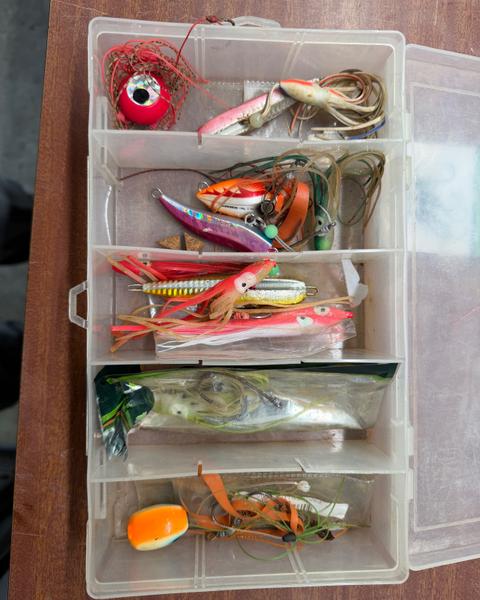
Softbait for snapper working shallow reef edges
Kabura or slow-pitch jig for a slower presentation in cool water
Pilchard or squid bait for a more traditional approach
A 20 to 40g metal lure for kahawai, trevally and other predators pushing bait around
The metal lure is the first choice when birds and bait suddenly appear, since it casts into or past the activity and covers water quickly while fish are actively chasing rather than sulking on the bottom.
Spring fishing checklist
Water temperature and whether it's trending up
Tide and time of day, especially dawn, dusk and tide changes
Birds and bait sign around structure or river mouths
Wind direction and how it affects your spot
Local fishing regulations, since limits and closures can change and are worth checking each trip.