What to expect from the fishery in spring
Spring in Taranaki sits between winter and summer fishing, and the fishery reflects that. Gurnard that have hung around all winter are still catchable, trevally are starting to show up close to shore, and snapper that never fully disappeared are becoming a realistic target again. None of this happens on a fixed date, fish are already showing up in August, well before the seasons officially change. Local fishing information suggests the Port Taranaki fishery really accelerates from November onwards, when snapper, trevally and kingfish become increasingly common.
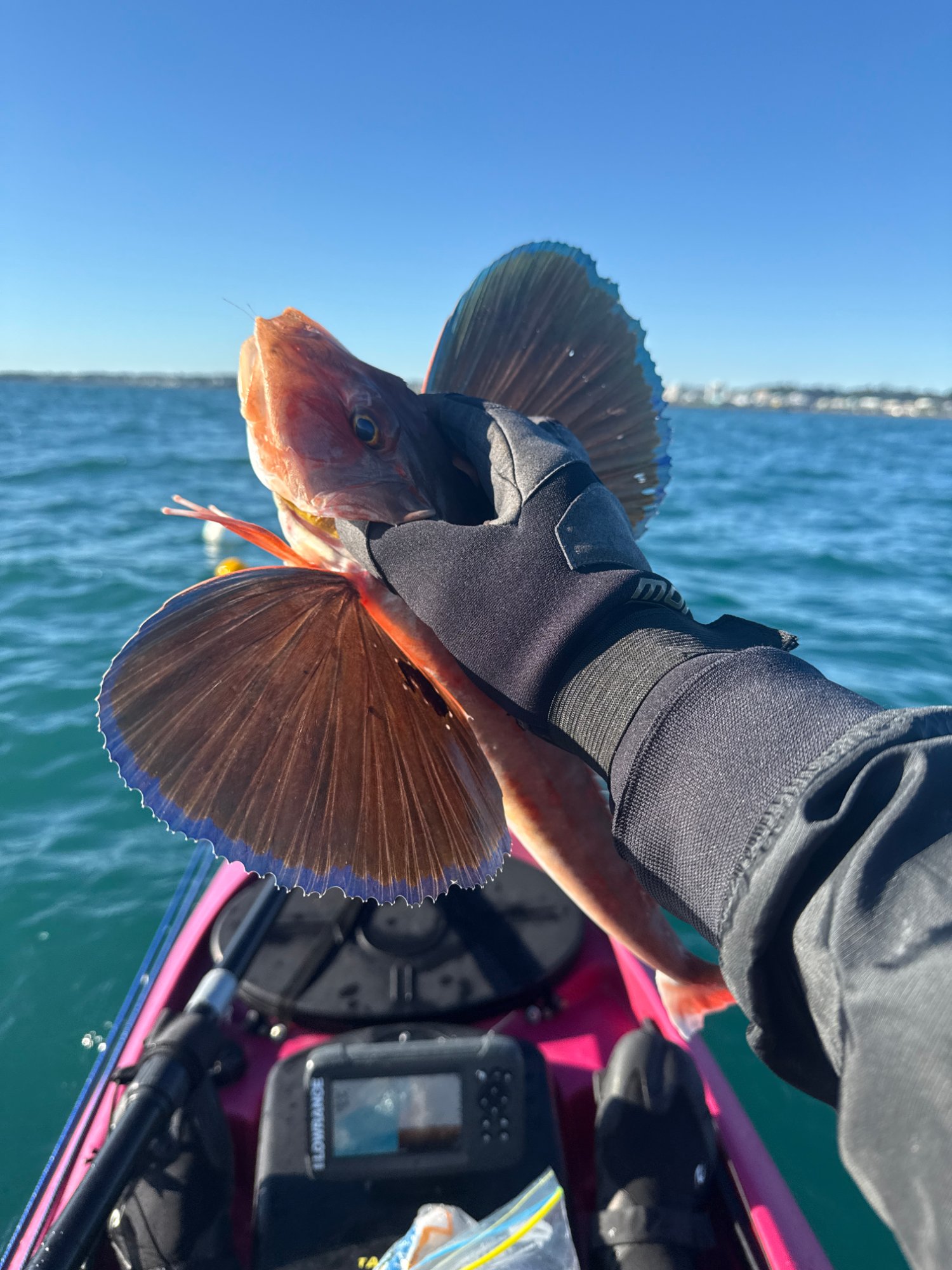
Gurnard: reliable over sand and mud south of the port entrance
Trevally: showing up in close, feeding around bait and current lines
Snapper: present but often less aggressive than in summer
Gear and tactics for early spring
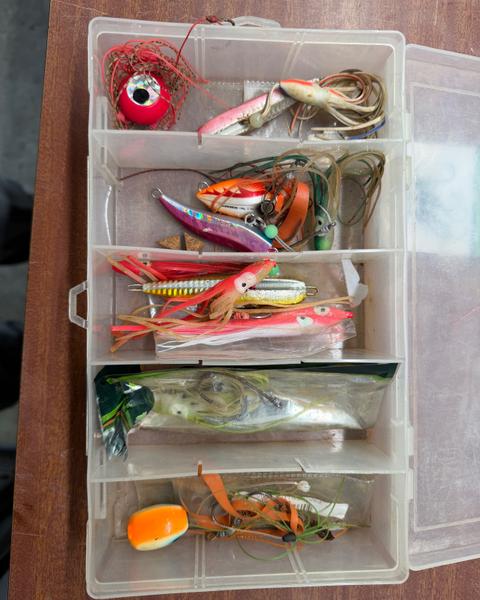
Early in the season it pays to fish slower and closer to the bottom rather than assuming fish are feeding hard. Gurnard in particular are still scavenging along the seafloor, so a slow-moving lure held in the strike zone can work well. A slow-pitch jig, kabura or soft bait worked gently near the bottom suits this stage of the season, with bait as a backup on slower days. As the season progresses and fish start feeding more actively, it becomes worth speeding up the retrieve or switching to more actively worked lures.
Soft baits worked slowly near the seabed
Kabura-style lures
Slow-pitch jigs
Squid or cut bait for slower days
Something small enough to tempt trevally
Choosing a launch spot: Port Taranaki, Onaero and Waitara
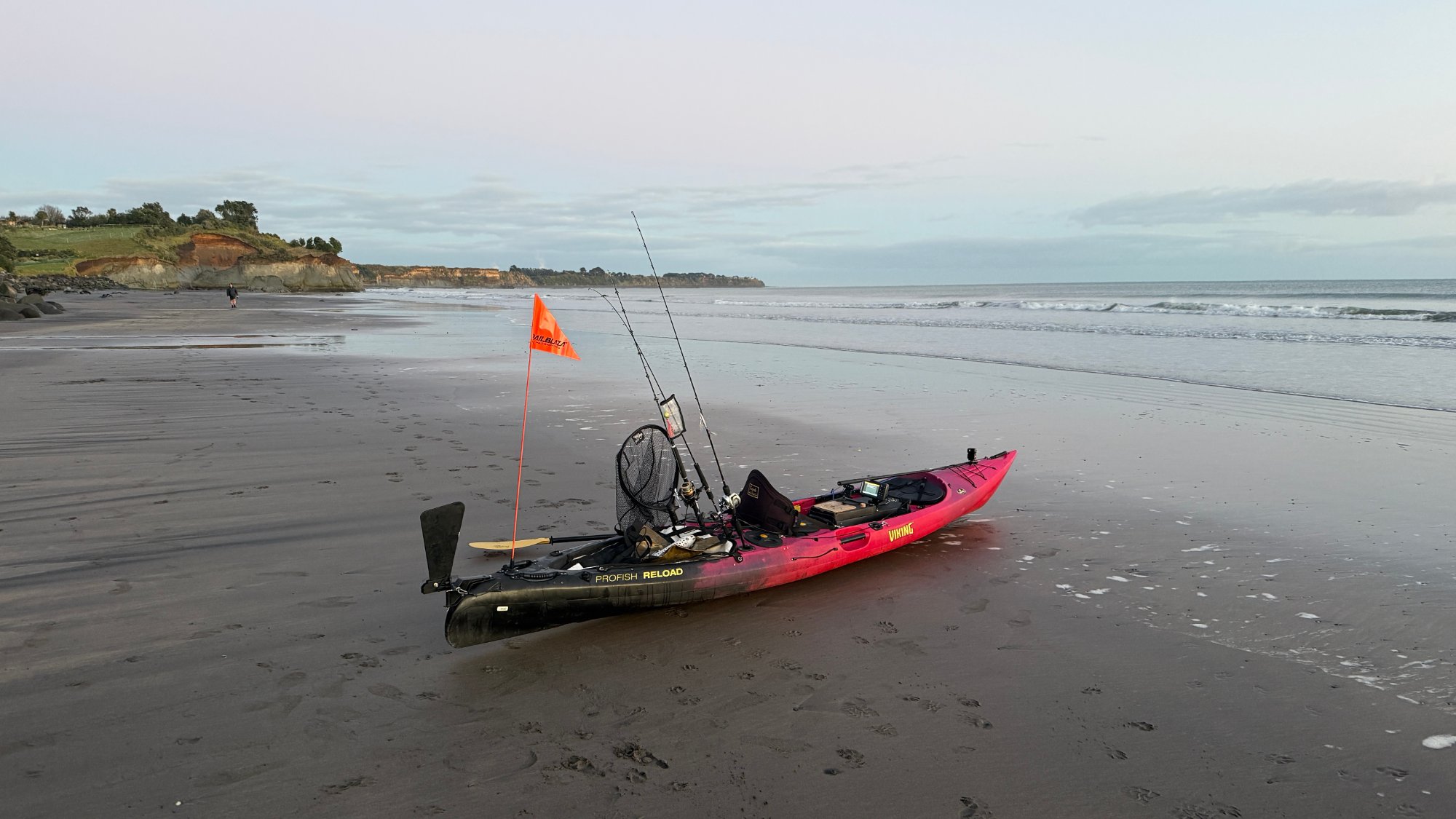
Port Taranaki is currently the easiest option for kayak fishing around New Plymouth. The Lee Breakwater boat ramp gives straightforward harbour access, and the port offers shelter you don't get launching through the open Taranaki surf. Port Taranaki confirms the ramp is open to the general public. It's still a working commercial harbour, though, so cargo ships and port vessels have very limited manoeuvrability. Port Taranaki requires recreational users to stay at least 50 metres from the sides and stern of large vessels and 300 metres from their bow, and recommends checking shipping movements before heading out.
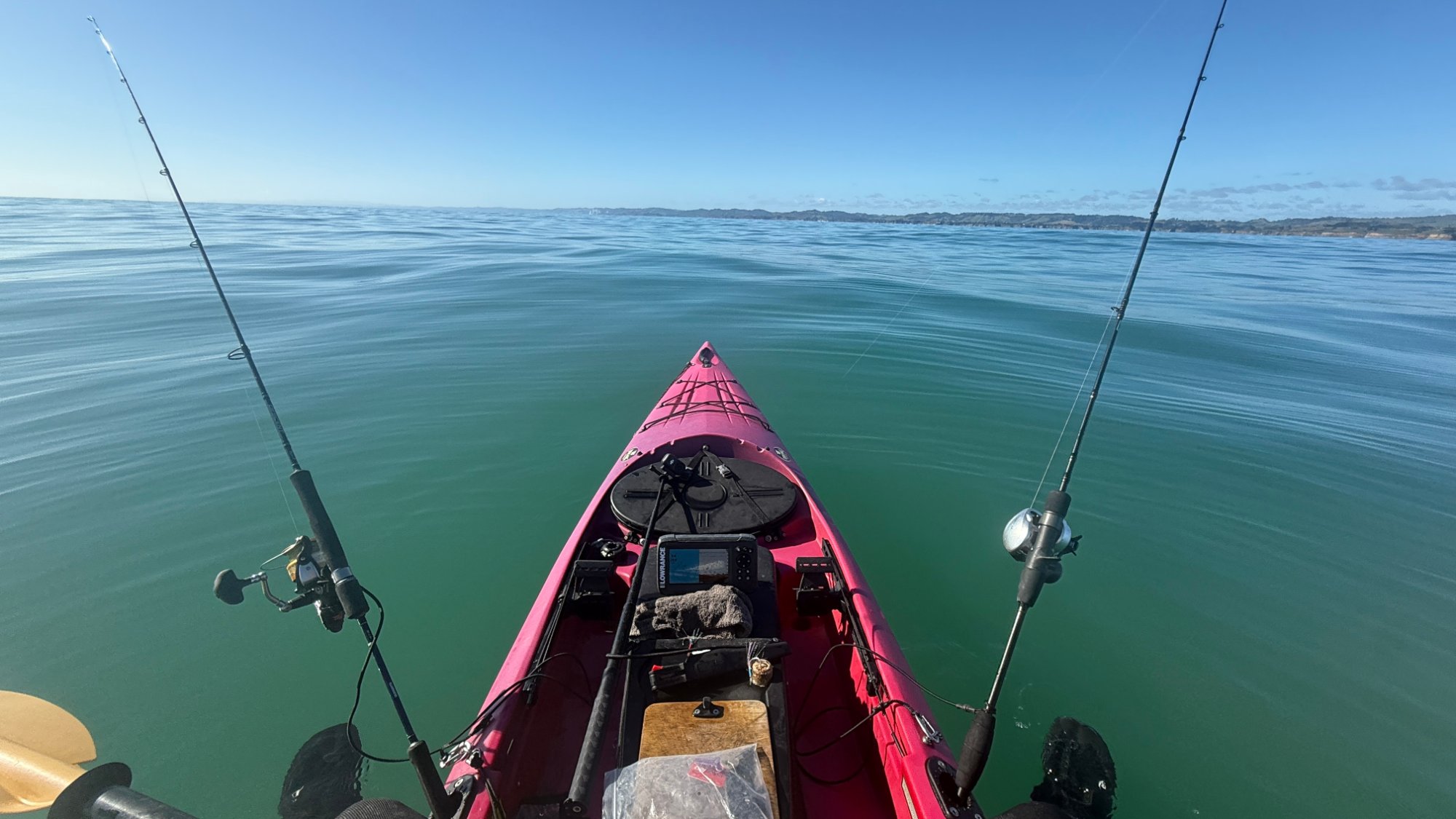
Onaero is a favourite when conditions line up, with a good mix of sand, reef and changing bottom close to shore. The catch is that the beach you launch through in the morning may look very different by the time you return, once tide, swell and wind have combined. Waitara and other river bars deserve even more caution, since tide, river flow, swell and wind interact in a small area and can make conditions rougher than they look from shore.
Reading the return trip, not just the launch
Check the swell before you launch
Check the wind direction and forecast strength
Check the tide and how it will have changed by your return
Think through what the beach or bar will look like when you're coming back, not just when you're heading out
If you're not comfortable with what you're seeing, treat Port Taranaki as your simpler backup option
Offshore and cross-shore winds deserve particular respect this spring. A light offshore wind can make a beach look flat while it's quietly pushing you further out, and cross-shore winds can leave you correcting drift all day and landing well down-current from where you started. Earth Sciences New Zealand has confirmed that El Niño is underway in spring 2026 and expects it to favour more persistent westerly-quarter airflow and unusually windy periods across New Zealand. Waiting for the right weather window matters more than forcing a trip into a set weekend.
Safety habits worth keeping
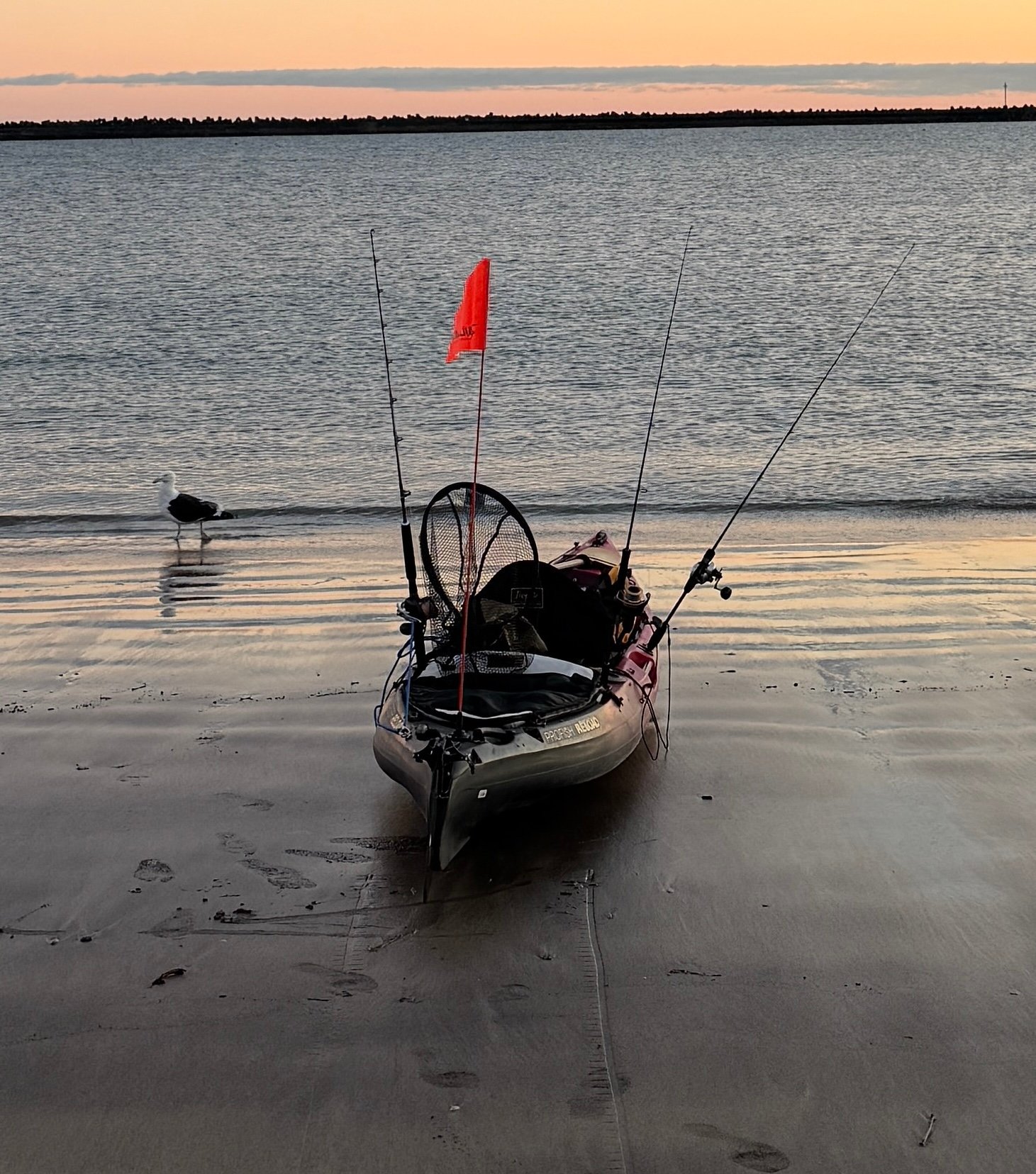
Take rods out of the holders and lay them flat before launching or landing through any surf
If a landing looks doubtful, look for a nearby river mouth or sheltered shore to get on land and assess conditions first
Don't assume a calm-looking morning guarantees a calm return
Rules to check before you go
Taranaki has several protected and restricted marine areas, particularly around Ngā Motu/Sugar Loaf Islands and Tapuae Marine Reserve. Recreational rod fishing is permitted within parts of the Ngā Motu/Sugar Loaf Islands Marine Protected Area, but the neighbouring Tapuae Marine Reserve is completely closed to fishing.
. Rules change over time, so check the current MPI regulations before each trip rather than relying on an old screenshot.